Best Choices for Rosemead Exterminators for Termite Control
Typical Pests and Solutions: An In-Depth Manual for Managing Pests
Families frequently encounter issues with common pests like ants, cockroaches, and rodents. These infestations can disrupt daily life and pose health risks. Timely recognition is vital, often marked by telltale signs such as droppings or gnaw marks. Knowing proper control methods and preventive measures can protect residences. This guide discusses these topics and provides insight into when professional help may be needed. What steps can homeowners take to defend their residences properly?
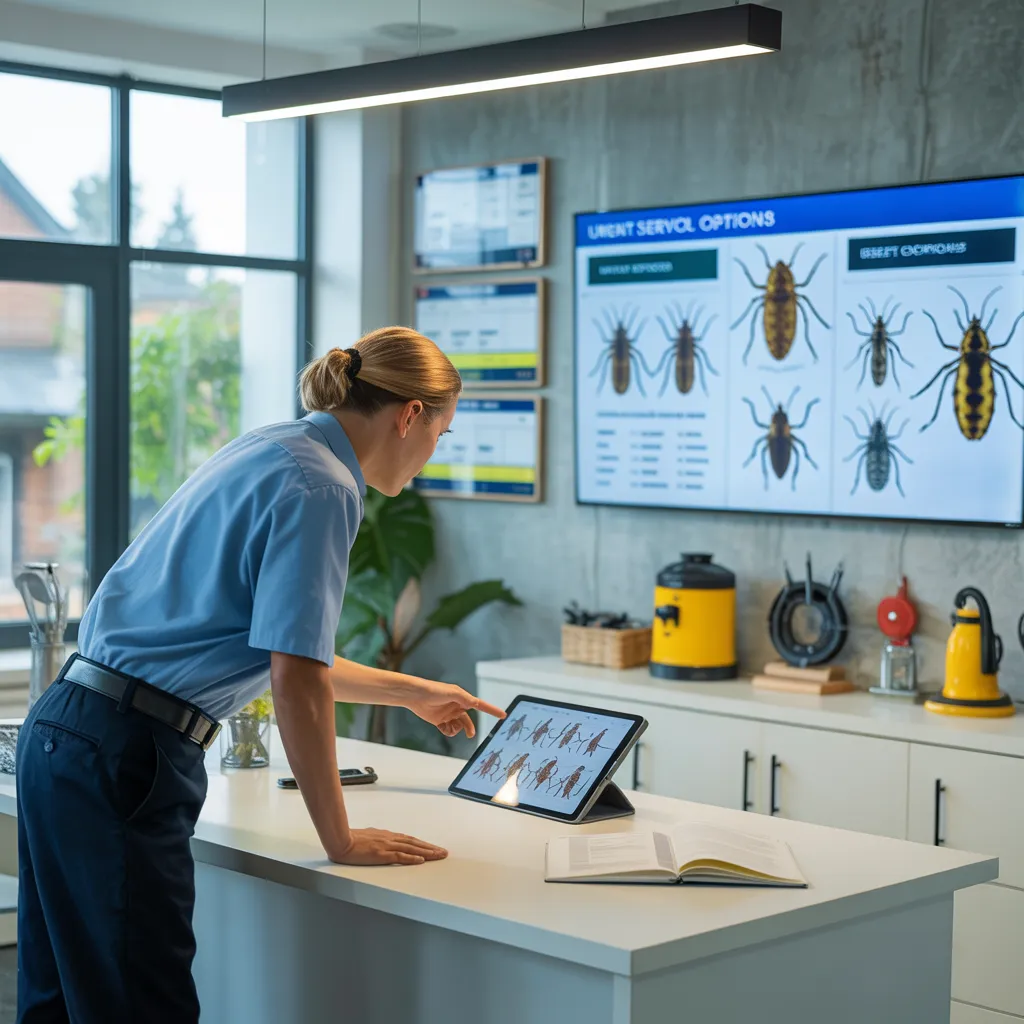
Identifying Prevalent Domestic Pests
What are the ways to effectively identify common household pests? The first step requires observing the environment for evidence of pest infestation. Common household pests include ants, cockroaches, spiders, and rodents. Each species shows distinct characteristics. Ants are often seen in trails, while cockroaches favor dark, damp areas. Spiders are identifiable by their webs and distinct body shapes. Rodents, such as mice and rats, create droppings and gnaw marks.
In addition, understanding pest behavior is crucial. For example, some pests are nocturnal, making evening inspections vital. Familiarity with their chosen habitats facilitates identification; termites, for example, are usually found near wood sources. Identifying these traits can support more rapid identification and correct management. Consequently, a keen eye and knowledge of common pests' habits and appearances are vital for effectively identifying household intruders.
Infestation Warning Signs
The presence of pests in a home often reveals itself through various signs of infestation. Property owners might observe droppings that differ in dimensions and form based on the type of pest. In addition, gnaw marks on wood or food packaging indicate rodent activity, while small holes in walls or furniture may suggest the presence of insects such as termites. Uncommon sounds, including scratching or buzzing, typically reveal an infestation hidden behind walls or ceilings.
One more revealing sign is the presence of nests or webs, which can be found in corners or hidden spaces. Unaccounted for damage to plants or food items may also point to pest activity. Additionally, unpleasant odors can emerge from decaying pests or their waste. Identifying these signs early is essential for efficient pest control, as immediate intervention can stop further damage and minimize health risks associated with infestations.
Prevention Strategies
When signs of infestation are identified, adopting effective prevention strategies becomes vital to securing a home against future pest concerns. Homeowners should first focus on upholding cleanliness, as food waste and clutter draw in pests. Frequently sweeping, vacuuming, and properly storing food can substantially reduce the likelihood of infestations.
In addition, closing cracks and crevices in doors, windows, and walls prevents pests from entering. Installing screens on vents and windows creates another barrier against unwelcome visitors. Adequate drainage and eliminating standing water eradicate breeding grounds for insects.
Proper landscaping methods also serve a crucial function; maintaining trimmed bushes and preserving a clear buffer zone between vegetation and the home can discourage pest activity. Furthermore, training family members about these practices guarantees a collective effort in prevention, creating greater difficulty for pests to secure entry within the home.
Effective Treatment Options
Addressing an infestation demands a strategic approach to secure optimal treatment options are employed. Several methods can be found, customized to distinct pest types and the seriousness of the infestation. Chemical interventions, such as insecticides and rodenticides, are widely used for their rapid impact. However, these compounds should be used responsibly, complying with safety regulations to secure humans and pets.
Eco-friendly biological controls, such as natural predators and parasites, present an alternative approach while decreasing chemical dependence. IPM integrates various approaches, focusing on prevention and monitoring in addition to treatment, thereby improving Downers Grove Residential Electrician sustained efficacy.
Physical barriers, such as traps and exclusion techniques, offer non-toxic alternatives for controlling pests, specifically rodents and insects. In instances of severe infestations, professional pest control services may be necessary, employing sophisticated methods and expertise to remove pests efficiently. All treatment alternative should be assessed for its effectiveness, safety, and environmental impact to ensure a balanced approach to pest management.
Do-It-Yourself Pest Removal Techniques
In relation to pest control, DIY approaches provide effective substitutes to commercial treatments. Natural remedies and homemade traps or baits offer environmentally friendly options for managing pest issues. These approaches not only reduce reliance on chemicals but also help individuals to take control of their living spaces.
Natural Remedies for Pests
What methods can property owners use to fight pests without using harsh chemicals? Organic solutions provide an eco-friendly option for controlling pests. Aromatic oils, including peppermint and tea tree, are able to repel bugs when mixed with water and applied throughout the house. This fine powder produced from fossilized algae, known as diatomaceous earth, can be applied where pests gather, creating dehydration in insects upon contact. Vinegar-based solutions function as efficient cleansers that likewise deter ants and spiders. Moreover, cultivating pest-resistant herbs like basil and lavender can form a natural defense against unwelcome insects. By employing these nature-based techniques, homeowners can sustain an insect-free setting while limiting their exposure to dangerous chemicals.
DIY Baiting and Trapping Methods
For residents wanting alternative approaches to handle pests without chemical substances, homemade traps and baits present an effective solution. These do-it-yourself strategies leverage ordinary household supplies, creating options that are both affordable and green. For example, a basic fruit fly trap can be constructed using a container full of apple cider vinegar and wrapped with plastic film, poked with tiny holes. This entices and ensnares the flies, lowering their population. Likewise, a combination of borax and sugar works as a potent bait for ants, enticing them while the borax impairs their digestive mechanisms. DIY traps can address multiple pests, encompassing mice, insects, and even larger animals, offering property owners a feasible substitute for store-bought pest control items.
When You Should Contact a Professional
Determining the ideal moment to contact a specialist for pest control can be challenging. Homeowners commonly try to manage pest problems independently, but specific situations necessitate expert intervention. If the infestation is severe or has continued despite DIY measures, it is advisable to seek professional assistance. Furthermore, particular pests, such as termites or bedbugs, require specialized treatments that are best handled by experienced technicians.
If a homeowner deals with health concerns, including allergies or disease transmission linked to pests, the need for professional assistance intensifies. Furthermore, if the pest problem damages structural integrity or poses a fire hazard, immediate action is critical.
In conclusion, those without the time or expertise to properly handle the situation should consider engaging professionals. Identifying these signs can enable timely and effective pest management, providing a safe and comfortable living environment.
Frequently Asked Questions
How Do I Know if My Pest Problem Is Serious?
To assess if a pest problem is severe, one should observe the regularity of sightings, visible destruction to property, signs of infestation, and the presence of feces or nests, suggesting a significant, ongoing concern.
Are There Natural Options for Controlling Pests?
Eco-friendly remedies for pest control include using essential oils, diatomaceous earth, vinegar, and soapy water. These treatments can discourage or eradicate pests without damaging chemicals, resonating with those pursuing green methods for controlling infestations.
What's the Safe Way to Dispose of Dead Pests?
To securely discard dead pests, it's important to wear gloves, put the carcass into a sealed bag, and discard it in the trash. As an alternative some may choose to bury it at a safe distance from living spaces.
Can Pests Harm My Pets' Health?
Indeed, pests can adversely affect your pet's well-being. Pest infestations can cause diseases, parasites, and allergic reactions, possibly resulting in discomfort or serious illness. Regular veterinary check-ups and preventive measures are essential for maintaining pets' well-being against pests.
How Much Does Professional Pest Control Cost?
Expert pest control services generally range from $100 to $300 per appointment, depending on factors including the type of pest, severity of infestation, and location. Regular maintenance plans may incur additional costs over time.